How to Know You Need Brake Repair Service (2026 Guide)
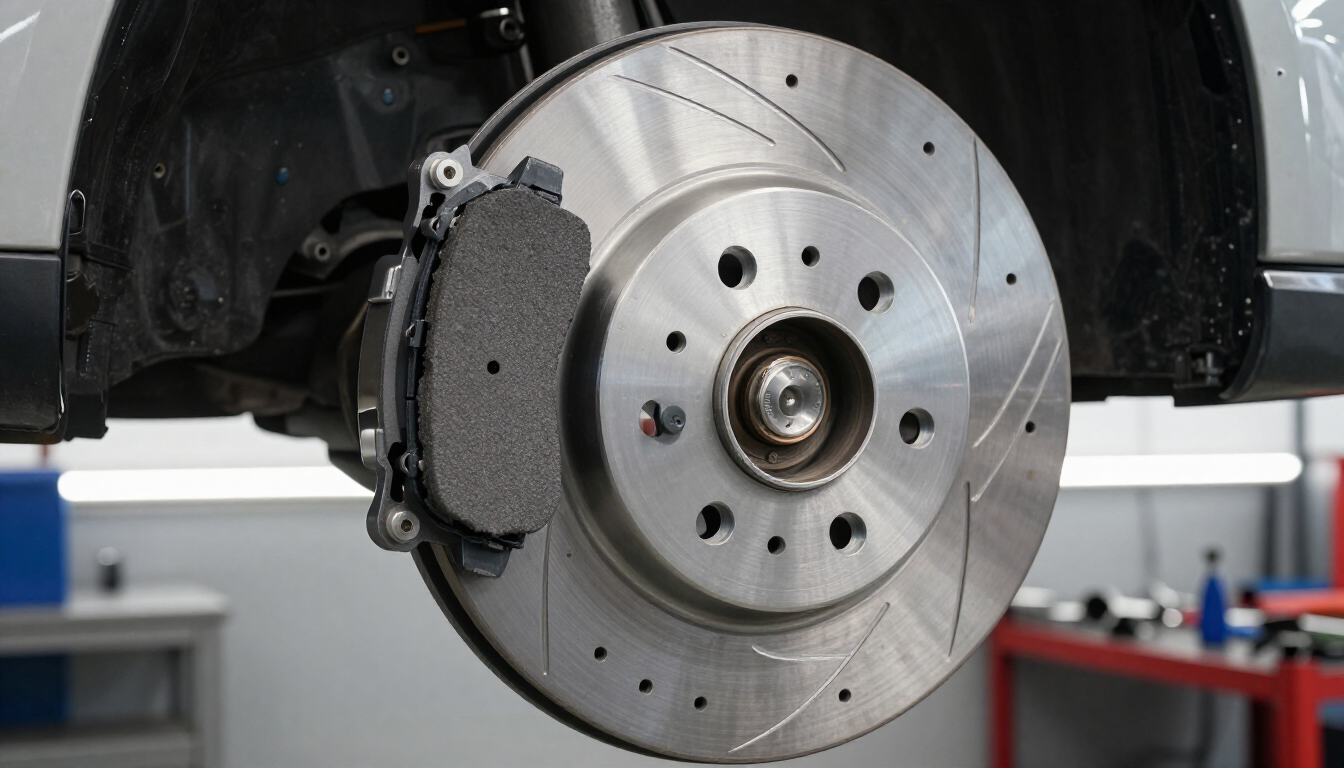
A professional brake repair service involves the comprehensive inspection and replacement of critical braking components, including brake pads, rotors, and calipers. Generally, brake pads should be replaced every 30,000 to 70,000 miles, while rotors and calipers require assessment for thinning, warping, or hydraulic leaks during every routine maintenance visit.
Since 1977, our shop has been a cornerstone of the Bradenton, FL community, providing the reliable automotive care our neighbors deserve. We understand that your vehicle is more than just a way to get from point A to point B—it’s your connection to work, family, and safety. That is why we treat every brake repair service with the highest level of care and precision. Braking systems are the most important safety feature on your vehicle, and keeping them in top shape is non-negotiable for anyone on the road.
Why is a Brake Repair Service Essential for Your Safety?
Every time you press the brake pedal, a complex sequence of mechanical and hydraulic events takes place to stop several thousand pounds of moving metal. This process relies heavily on friction and heat dissipation. Because of this, the components of your braking system are designed to wear down over time. Ignoring the early warning signs of wear doesn't just lead to more expensive repairs; it significantly increases your stopping distance, putting you and your passengers at risk.
In our Bradenton environment, factors like high humidity, salt air, and stop-and-go traffic on local routes can accelerate the wear and tear on your braking system. When you bring your vehicle to us, our ASE-certified technicians use advanced diagnostics to evaluate every part of this system, ensuring that when you need to stop, your car responds instantly.
How Do Modern Braking Systems Work?
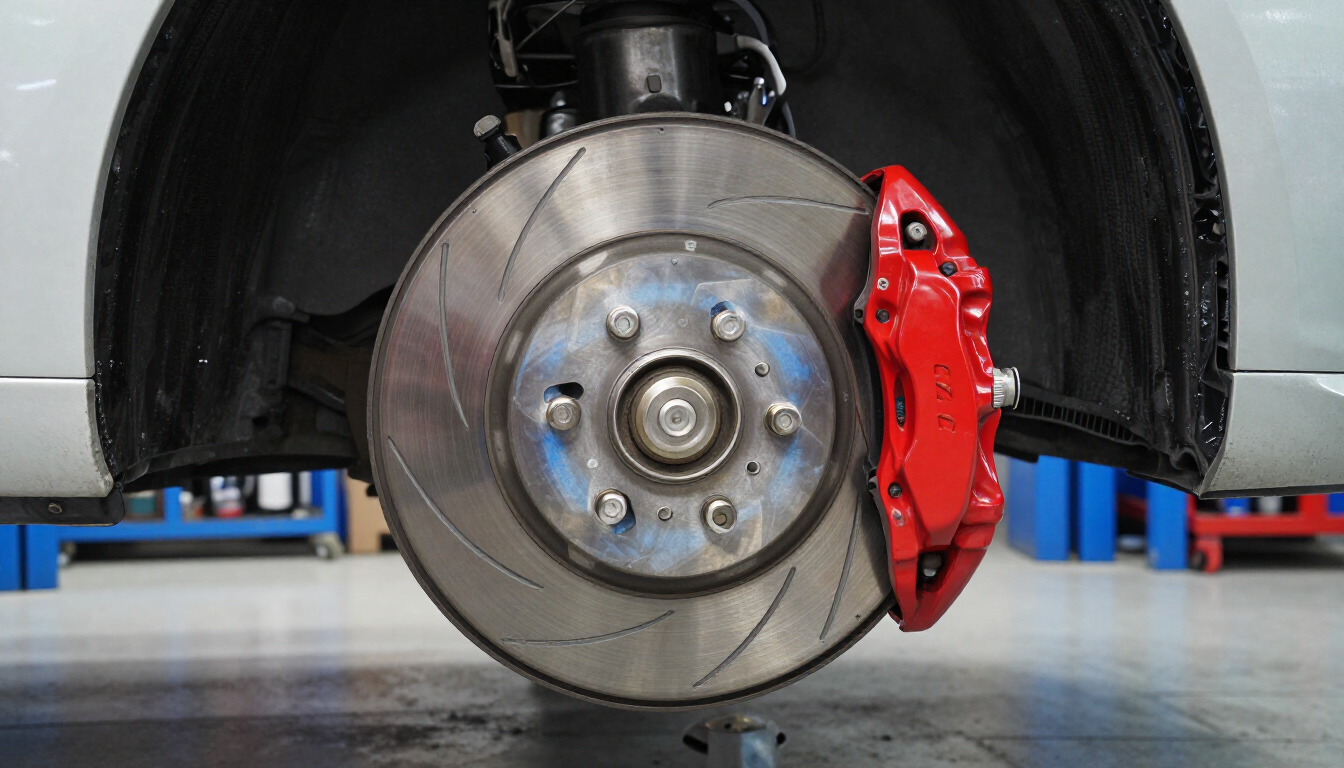
To understand why maintenance is necessary, it helps to know what’s happening behind your wheels. Most modern vehicles use a disc brake system on at least the front wheels, and often all four.
- Brake Pads : These are the replaceable friction surfaces that press against the rotors.
- Rotors : These are the metal discs that rotate with your wheels.
- Calipers : These act like clamps that house the brake pads and use hydraulic pressure to squeeze them against the rotors.
- Brake Fluid : The medium that transmits the pressure from your foot to the calipers.
- Brake Lines : The hoses that carry the fluid throughout the system.
When these parts work in harmony, you get smooth, quiet, and predictable stopping power. However, if even one component is compromised—such as a leaking line or a sticking caliper—the entire system's efficiency drops. If you want to learn more about keeping your vehicle in peak condition, check out our Car Care Tips for professional advice.
When Should You Change Your Brake Pads?
Determining exactly when to change your brake pads depends on your driving habits, the type of vehicle you own, and the environment in which you drive. For most drivers in Bradenton, a range of 30,000 to 70,000 miles is standard, but you should never rely solely on mileage. Instead, listen and feel for the physical signs that your pads are reaching the end of their life.
5 Signs Your Brake Pads Are Worn Out
- Squealing or Chirping : Most pads have a small metal shim called a wear indicator that makes a high-pitched noise when the pad is thin.
- Grinding Noises : If you hear a harsh, metallic scraping sound, your pads are completely gone, and metal is rubbing on metal.
- Thin Appearance : You can often see your brake pads through the spokes of your wheels; if they look less than 1/4 inch thick, they need replacement.
- Longer Stopping Distances : If you find yourself pressing the pedal harder or sooner than usual, your friction material is likely glazed or worn.
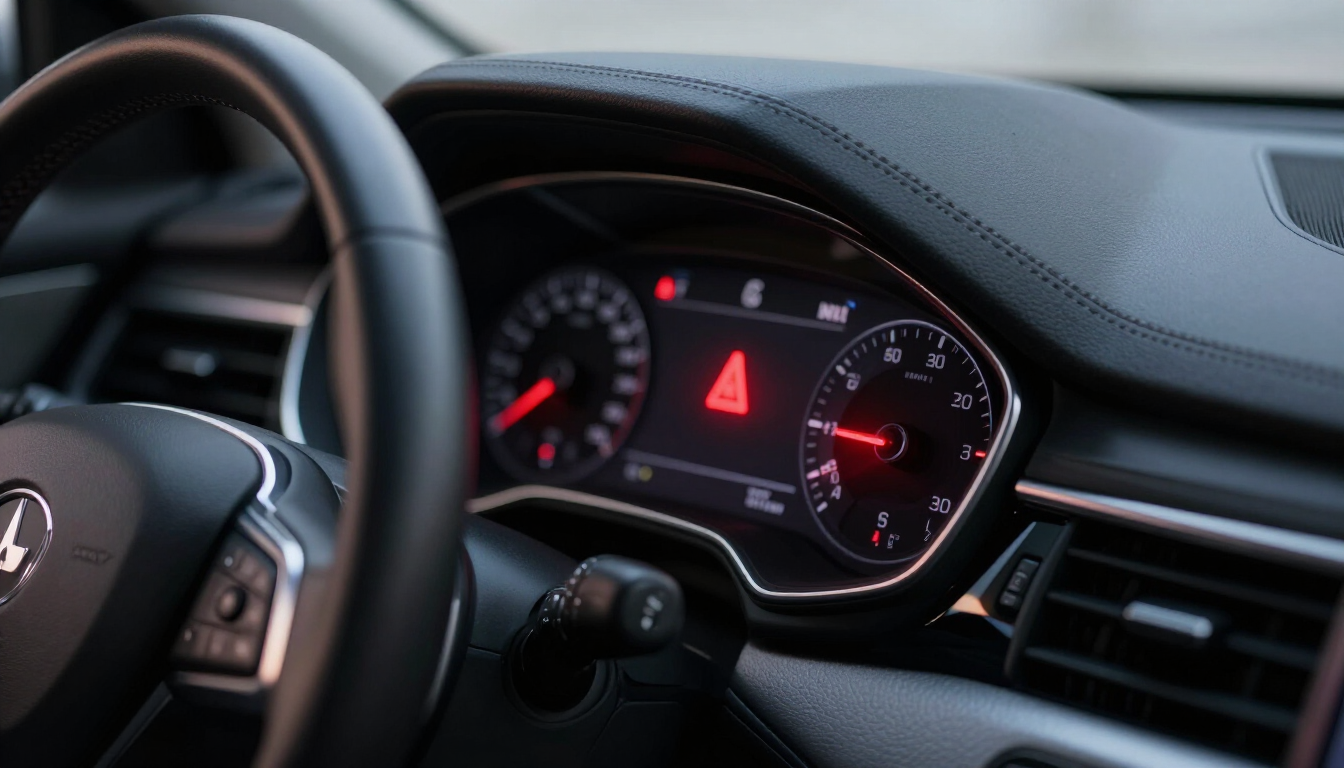
- Brake Warning Light : Modern vehicles have sensors that trigger a dashboard light when pads reach a critical level of wear.
If you notice any of these symptoms, it is time to schedule an Auto Repair appointment. Catching these issues early often means you only need to replace the pads, saving you the higher cost of new rotors.
Does Driving Style Affect Brake Life?
Absolutely. How you drive is perhaps the single biggest factor in how often you will need a brake repair service. Drivers who "ride the brakes" or engage in frequent high-speed braking will find their pads wearing out much faster than those who use coasting and engine braking to slow down.
In heavy traffic areas like the intersections of 14th St W and Cortez Rd, frequent stopping is unavoidable. In these conditions, the brakes generate immense heat, which can lead to "brake fade" or glazing of the pads. Choosing high-quality pad materials can help mitigate this. We offer various options, including ceramic pads which are known for being quieter and producing less dust, and semi-metallic pads which offer superior cooling for heavy-duty applications.
What Are the Different Types of Brake Pads?
Choosing the right material for your brake pads is a key part of the service we provide. We help you choose based on your vehicle's requirements:
- Organic Pads : Made from fibers and resins; they are quiet and soft but wear out faster.
- Semi-Metallic Pads : Great for heat dissipation and heavy vehicles, though they can be noisier.
- Ceramic Pads : The premium choice for most daily drivers, offering long life, quiet operation, and excellent stopping power.
By understanding these differences, our team ensures your brake repair service is tailored to your specific needs, rather than a one-size-fits-all approach.
What Are the Signs of Failing Brake Rotors?
While brake pads are the most common item to replace, your brake rotors (the discs) are equally important. Rotors are subjected to extreme heat and friction. Over time, they can become "warped" or develop deep grooves, known as scoring. If your rotors are compromised, new brake pads won't be able to grip them effectively, leading to reduced safety.
Common Symptoms of Bad Rotors
- Vibration in the Steering Wheel : If you feel a pulsing or shaking when you apply the brakes, your rotors are likely warped.
- Pulsating Brake Pedal : Similar to wheel vibration, a "throbbing" pedal usually indicates uneven rotor wear.
- Blue Tint or Heat Spots : Excessive heat can cause the metal of the rotor to change color, which hardens the surface and reduces friction.
- Deep Grooves : Visible lines or ridges on the rotor surface mean debris has been caught between the pad and the disc.
- Squealing Even With New Pads : If the rotor surface isn't smooth, even brand-new pads will make noise.
Do I Really Need to Replace My Brake Calipers?
Brake calipers are the "workhorses" of the system. Unlike pads and rotors, calipers are not considered standard "wear items" that need regular replacement. However, they are hydraulic components that can fail due to age, heat, or internal corrosion. In Florida’s humid climate, moisture can sometimes enter the brake fluid, leading to internal rust that can cause a caliper to "seize."
If a caliper seizes, it may stay clamped down on the rotor even when you release the brake pedal. This causes extreme heat, a burning smell, and will ruin your pads and rotors in a matter of miles. Alternatively, a caliper might fail to engage, causing the vehicle to pull to one side when braking. During every brake repair service, our technicians inspect the caliper boots and seals for leaks and ensure the pistons move freely.
How Heat and Humidity Affect Brakes in Bradenton
Florida drivers face unique challenges. The high ambient temperatures mean your brakes start off hot and only get hotter during use. Furthermore, the high humidity can lead to a faster breakdown of brake fluid. Brake fluid is hygroscopic, meaning it absorbs moisture from the air. When the water content in your fluid gets too high, it can boil under heavy braking, leading to a "spongy" pedal feel and a dangerous loss of stopping power. We recommend a brake fluid flush every two years to prevent this.
Our team has been serving the Bradenton area for decades, and we’ve seen firsthand how the local environment affects vehicle longevity. We are committed to building long-term relationships, which is why we explain these environmental factors clearly during your visit. You can read what our other local customers have to say on our Reviews page.
Professional Brake Repair Service Benefits
When you choose a professional shop for your brake repair service, you aren't just paying for parts; you are paying for expertise and peace of mind. Our ASE-certified technicians utilize advanced diagnostics and shop-floor systems that allow us to see exactly what is happening with your vehicle's braking system.
We provide a comprehensive approach that includes:
- Measuring pad thickness and rotor parallelism.
- Testing brake fluid for moisture and copper content.
- Inspecting all lines and hoses for cracks or bulges.
- Cleaning and lubricating caliper slide pins.
- Verifying the operation of the Anti-lock Braking System (ABS).
How Often Should I Get a Brake Inspection?
A good rule of thumb is to have your brakes inspected every time you get an oil change, or at least every six months. This allows a technician to catch small issues—like a torn dust boot or slightly uneven wear—before they turn into major safety concerns or expensive repairs. If you are planning a long road trip or notice any change in how your car handles, don't wait. You can easily Book an Appointment online to have your system checked.
We believe in transparency. When you bring your vehicle to us, we listen to your concerns, explain our findings clearly, and deliver quality service without surprises. We’ve built our reputation on integrity since 1977, and we intend to keep it that way for every customer who walks through our doors.
Summary of Key Takeaways
- Monitor Noises : Squealing or grinding are immediate calls for a brake repair service.
- Feel the Feedback : Vibrations or a spongy pedal indicate rotor or hydraulic issues.
- Check Pads Regularly : Replace pads when they reach 1/4 inch of thickness to protect your rotors.
- Flush Fluid : Maintain your brake fluid every two years to combat Florida's humidity.
- Trust the Pros : ASE-certified technicians provide the accuracy needed for safety-critical systems.
Maintaining your brakes is the most effective way to ensure your vehicle remains reliable and safe for years to come. Whether you need a simple pad replacement or a full system overhaul, our team is here to help. Thank you for trusting us with your vehicle—we look forward to seeing you at our Bradenton shop soon. For more information about who we are and our commitment to the community, feel free to visit our About Us page.
We’ve got all your automotive repair needs covered.