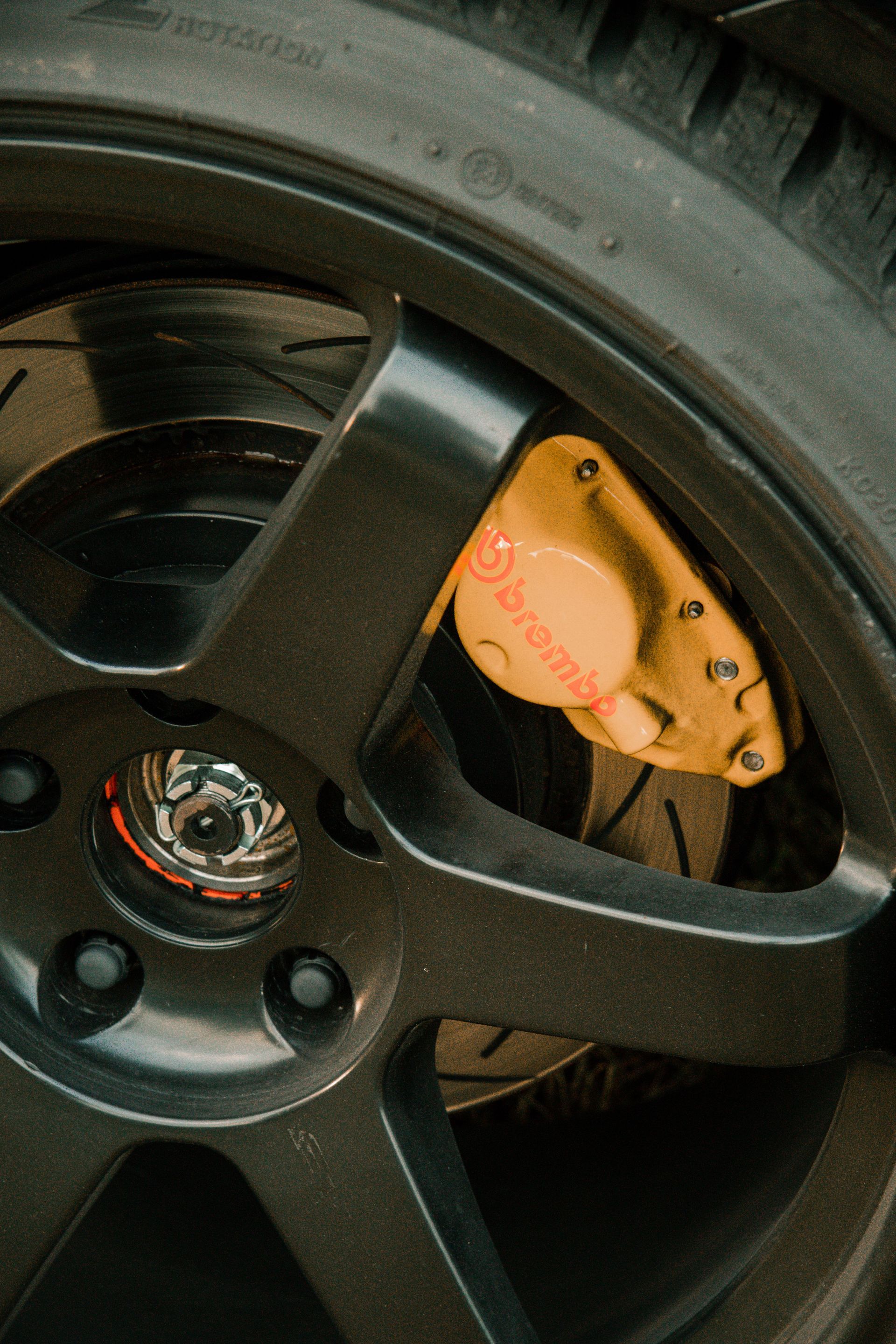
What is the difference between wheel balancing vs wheel alignment?
The simplest way to understand
wheel balancing vs wheel alignment
is this: balancing deals with weight, and alignment deals with direction.
Tire balancing corrects tiny weight differences in the tire and wheel assembly so the wheel spins evenly at speed. Alignment adjusts steering and suspension angles so your tires point straight, sit correctly against the pavement, and work together instead of fighting each other.
Both services affect ride quality, but they solve different problems. If your steering wheel shakes at highway speed, balancing is often the first thing to check. If your vehicle pulls to one side or your tires are wearing unevenly across the tread, alignment is more likely involved.
Wheel balancing in automobile maintenance
Wheel balancing in automobile care is the process of measuring and correcting weight imbalance in a mounted tire and wheel. Even new tires are not perfectly uniform. A wheel can also be slightly heavier in one spot because of the rim, valve stem, tire construction, prior repairs, or normal wear.
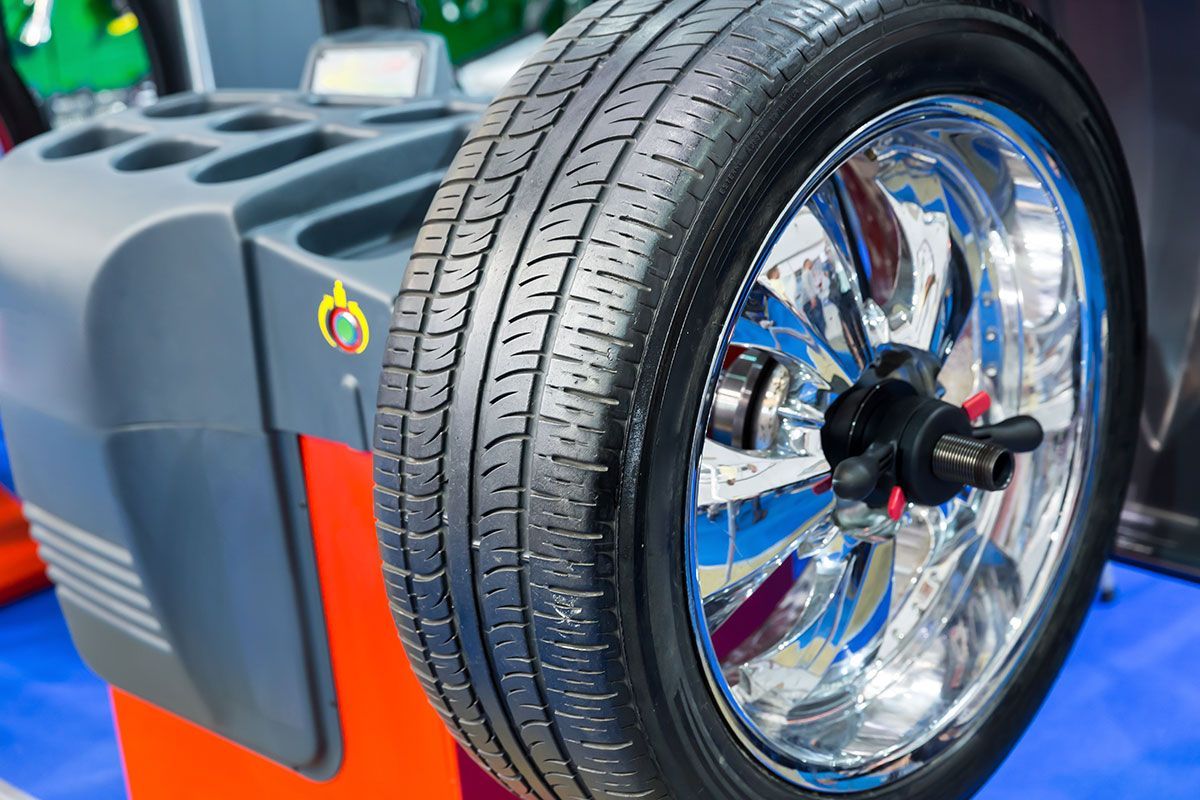
During a balancing service, a technician usually places the tire and wheel on a balancing machine. The machine spins the assembly and identifies where weight needs to be added. Small wheel weights are then attached to the rim to offset the imbalance and help the tire rotate smoothly.
This matters because wheels rotate hundreds of times per mile. A small imbalance may not feel obvious at low speeds, but it can create vibration once the vehicle reaches higher speeds. Over time, that vibration can make driving uncomfortable and may contribute to faster wear on tires, suspension parts, and steering components.
Alignment keeps your vehicle tracking properly
Wheel alignment is not about adding weights to the wheels. It is about adjusting the vehicle’s suspension geometry so the tires contact the road at the correct angles. The most common alignment angles are camber, toe, and caster, though the details vary by vehicle.
Camber refers to how much the tire leans inward or outward when viewed from the front. Toe describes whether the tires point slightly inward or outward when viewed from above. Caster relates to steering stability and how the steering axis is positioned.
When these angles are out of specification, the vehicle may drift, pull, wander, or feel less stable. Poor alignment can also scrub tire tread unevenly, shortening tire life even if the tires still have plenty of depth in other areas.
Is tire balancing necessary?
Yes,
is tire balancing necessary
is a common question, and the practical answer is that balancing is an important part of keeping tires smooth, comfortable, and reliable. It is especially necessary when new tires are installed, when a tire is repaired, or when a wheel weight falls off. It may also be needed when you feel speed-related vibration that was not there before.
Balancing does not fix every vibration. A bent wheel, damaged tire, worn suspension part, or brake issue can create similar symptoms. Still, because imbalance is common and directly tied to rotating wheel assemblies, balancing is usually one of the first checks when a vehicle shakes at certain speeds.
A properly balanced tire helps the tire maintain steadier contact with the road. That can improve comfort, reduce annoying steering wheel vibration, and help the tire wear more evenly. It is a relatively small maintenance step that can prevent a frustrating driving experience.
How to tell if tires need balancing?
The clearest answer to
how to tell if tires need balancing is to pay attention to vibration that changes with speed. If the vehicle feels smooth around town but begins to shake on the highway, tire imbalance may be the cause. The vibration may be felt in the steering wheel, floor, seat, or entire vehicle depending on which wheel is affected.
Common signs include:
- Steering wheel vibration at moderate or highway speeds
- Seat or floor vibration that becomes more noticeable as speed increases
- Uneven or patchy tire wear that appears without another obvious cause
- A vibration that started after a new tire, tire rotation, flat repair, or wheel impact
- A missing wheel weight visible on the rim
- A ride that feels rough even on smooth pavement
These symptoms do not prove the tires are out of balance, but they are useful clues. If vibration appears suddenly after hitting a pothole or curb, the wheel may also be bent or the alignment may have shifted. A technician can inspect the tire, wheel, and suspension to narrow down the cause.
Signs your vehicle may need alignment instead
Alignment issues often show up differently from balancing problems. Instead of a shake that appears at certain speeds, you may notice the vehicle does not want to travel straight. You might have to hold the steering wheel slightly off-center to keep the car in its lane.
Look for these alignment-related symptoms:
- The vehicle pulls left or right on a flat road.
- The steering wheel is crooked while driving straight.
- The tires show uneven wear on one edge.
- The vehicle feels unstable, especially after hitting bumps.
- The tires squeal during normal turns.
- The vehicle recently hit a curb, pothole, or road debris.
Uneven tire wear is one of the biggest reasons alignment should not be ignored. Once tread wears unevenly, alignment can stop the problem from getting worse, but it cannot put the missing rubber back. Catching alignment issues early is often better for tire life and driving confidence.
Tire balance and wheel alignment work together
Tire balance and wheel alignment are separate services, but they support the same goal: keeping your tires rolling smoothly and correctly. A vehicle can need one service without needing the other. It can also need both at the same time, especially after new tires, suspension work, or a hard impact.
Think of balancing as making each wheel spin evenly. Think of alignment as making all four wheels travel in the correct direction together. If the balance is off, the tire may bounce or vibrate. If the alignment is off, the tire may drag, scrub, or wear unevenly.
For best results, tire care should be approached as a system. Tire pressure, rotation, balancing, alignment, suspension condition, and driving habits all affect how long tires last and how the vehicle feels. Focusing on only one part can leave another issue unresolved.
When to schedule balancing, alignment, or both
You do not need to guess blindly. The right service usually depends on what changed recently and what symptoms you feel while driving. Use the following guide as a practical starting point.
Schedule tire balancing when:
- A tire is patched, plugged, or removed from the wheel.
- You feel vibration that increases with speed.
- A wheel weight is missing.
- Tires have been rotated and a vibration appears afterward.
Schedule wheel alignment when:
- The vehicle pulls to one side.
- The steering wheel is off-center.
- Tires show feathering, cupping, or edge wear.
- You hit a pothole, curb, or road hazard.
- Suspension or steering parts have been replaced.
Consider both services when:
- You are buying a full set of tires.
- The ride feels rough and the vehicle does not track straight.
- Tire wear looks irregular in more than one way.
- You are preparing for a long road trip.
- You want a complete tire and handling check.
Drivers in coastal and city areas often deal with construction zones, potholes, heat, and stop-and-go traffic. If you are searching from Bradenton, or even typing it as
Brandenton, Florida, those everyday road conditions can make regular tire inspections worthwhile.
Why symptoms can be confusing
It is easy to mix up
wheel balancing vs wheel alignment because both problems can affect ride feel and tire wear. A vibration may make you think the alignment is wrong. Uneven wear may make you assume the tires are out of balance. In reality, several issues can overlap.
For example, a tire with uneven wear may no longer balance well, even if the original problem was alignment. A bent wheel can feel like a balance problem. Worn shocks, struts, tie rods, ball joints, or wheel bearings can also create vibration, drifting, or uneven wear.
That is why a visual inspection is valuable. A technician can look for tread patterns, check tire pressure, inspect suspension components, and test the wheel assembly on the right equipment. The goal is not just to remove the symptom for a day; it is to identify why the symptom started.
Simple habits that help protect your tires
You do not need to be a tire expert to improve tire life. A few consistent habits can make balancing and alignment issues easier to catch before they become expensive or inconvenient.
Helpful maintenance habits include:
- Check tire pressure regularly, especially before long drives.
- Walk around the vehicle and look for uneven tread wear.
- Do not ignore new vibration, pulling, or steering changes.
- Rotate tires according to your vehicle or tire guidance.
- Ask for balancing when tires are installed or remounted.
- Have alignment checked after major impacts or suspension repairs.
- Keep notes on when symptoms started and at what speeds they appear.
The last habit is especially useful. Telling a shop, “The steering wheel shakes between 55 and 65 mph after the tire rotation,” is much more helpful than saying, “The car feels weird.” Clear details can save diagnostic time and point the inspection in the right direction.
The bottom line on balancing and alignment
Wheel balancing and wheel alignment are often mentioned together, but they are not the same service. Balancing corrects uneven weight so the tire and wheel spin smoothly. Alignment corrects wheel angles so the vehicle tracks properly and the tires meet the road as intended.
If your vehicle shakes at speed, start by thinking about tire balancing. If it pulls, wanders, or wears tires unevenly along the edges, alignment may be the bigger concern. When symptoms overlap, a professional inspection is the safest way to decide whether you need balancing, alignment, or both.
Paying attention early can make your vehicle more comfortable to drive and help your tires perform the way they should. Whether you are commuting, running errands, or planning a longer drive, smooth tires and proper alignment make every mile feel more controlled.